
Scenes on Zines
Every day is a great day to go analog, baby.

The closest college towns to my home, two state schools, are land-grant universities far afield from the prestige and pomp of your Columbias, your Yales, NYUs and UCLAs. There are no large encampments or police raids happening here right now. I am happy to report, though, that small groups of students are still organizing actions toward divestment on both campuses. At a march I attended on one campus last week, the student organizers approached onlookers with their divestment petition in QR code form, and I watched dozens of students lift their phones to scan it on their way to finals.
But they also had a zine, a simple two-pager titled “What’s Happening in Palestine?” I know that a couple friends who teach and work at this campus have introduced this old-school print communication (pronounced, for the love of god, “zeen,” as in “magazine”) to their students in this generation. Young people may have also stumbled across zines on their own, perhaps fed up with the flatness of the world of small-screen pixels. Either way, it makes me happy to see a zine at a protest in 2024, just the way that it makes me happy to see in-person, place-based, ongoing protests that force both community and confrontation through their un-blockable, un-shadowban-able physical presence.
Later that week, the same campus hosted an opening for a collection of queer ephemera some comrades had curated for the University’s archive. There were photos from the early 1980’s, art pieces and journals, contemporary photos, and zines. Seeing all of these everyday objects and publications preserved under glass inspired me to hold on to my own ephemera. When a smaller group gathered to work on a collaborative, forthcoming art and literary zine at my house a few days after the opening, I dug out my vintage Brother word processor to share and my own small archive of zines.
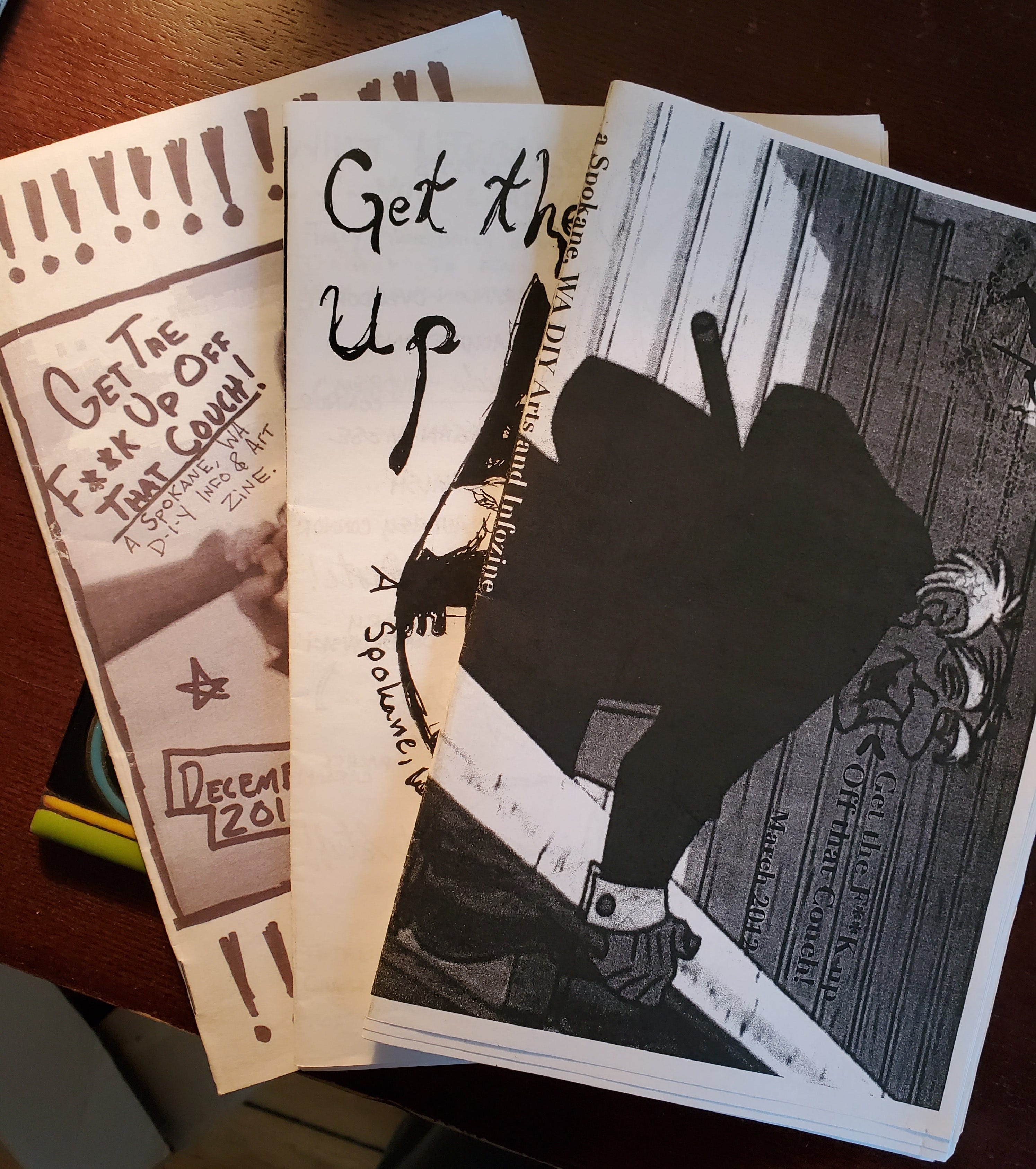
When I was 18, I got a job at a non-profit where I was hired to run its youth programs. It was a wild choice on this organization’s part and I have to hand it to them for entrusting a messy near-dropout with a budget to use for environmental and community organizing and the keys to an office. The office in question happened to have a great multi-function industrial printer.
I remember loading all of my punk roommates up into the elevator with milk crates of supplies and an old typewriter in the evening to make this zine. Looking back, there wasn’t much to it—vegan recipes from the kitchen where Food Not Bombs meals were prepared, poems published or republished, rants, fliers for a fake “parcore” band (“It’s never been done before!”), and real event listings—but it captures so much of that time, place, and subculture.
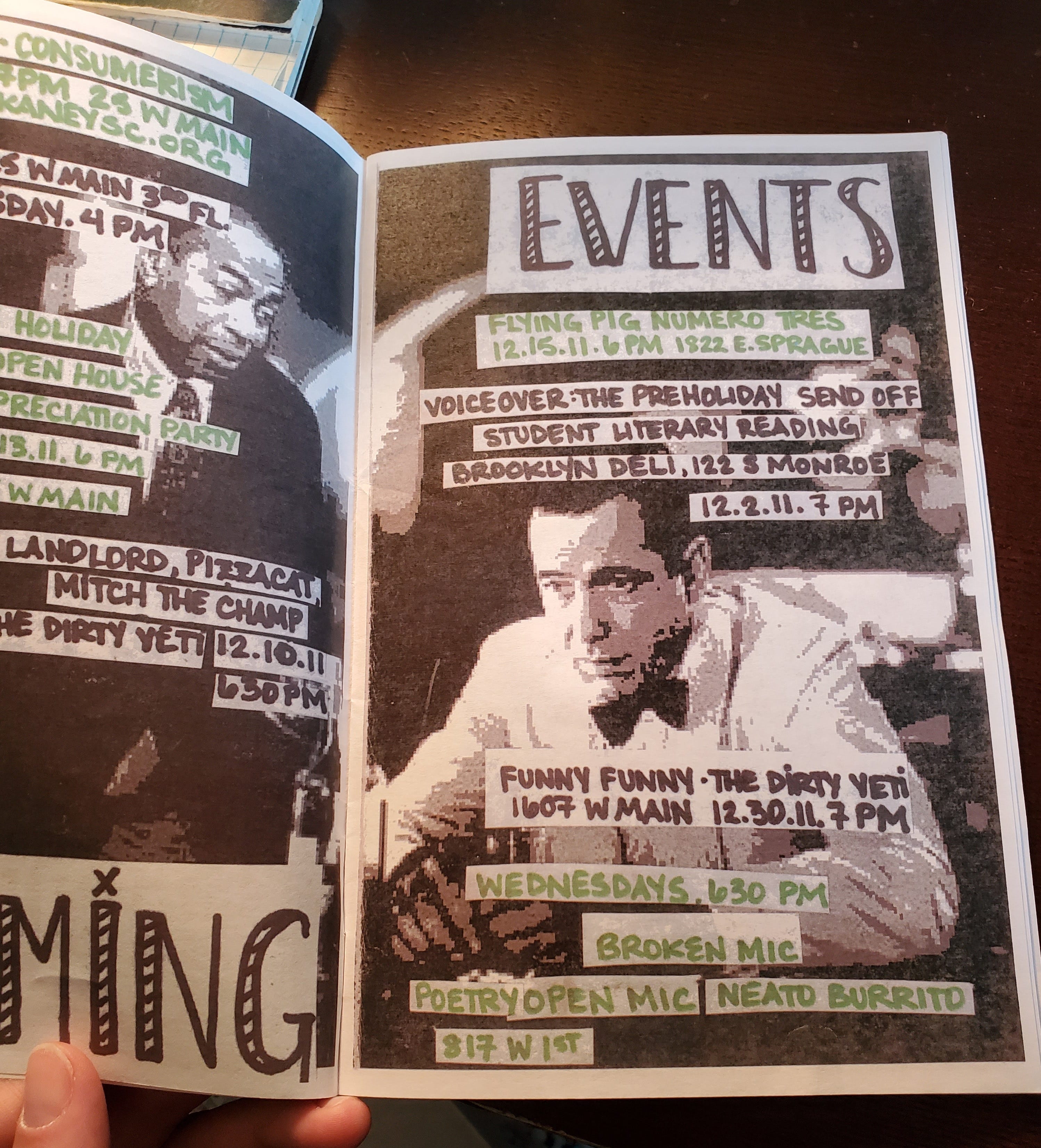
There was something I experienced then about the magic of creating a tangible object, on your own terms, with your own hands, that stuck with me and gave me the confidence to just make stuff. If you’re someone who’s been with me for a while, chances are you have a zine from the past few years that I’ve made. Today, they’re a wonderful escape from the pressure to publish that creeps in to my life as a writer, and a home for weirder, longer, less polished work that I still want to share.
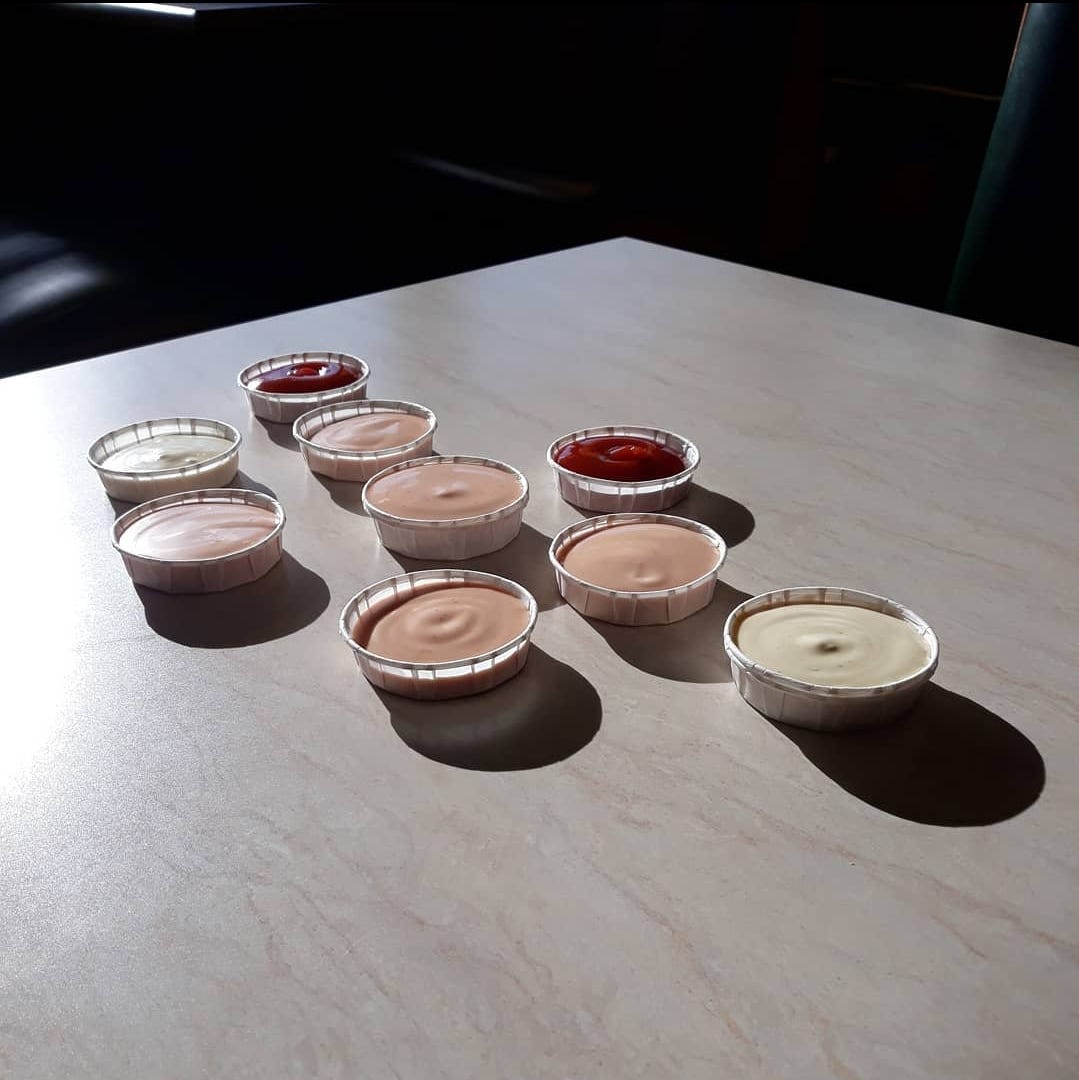
If you are a paid subscriber here, you will get a copy of my forthcoming zine, Fry Sauce, in the mail after it debuts at Spokane Zine Fest this month. I’ll write more about it soon, but want to offer this opportunity to join that list of subscribers in time to receive something (beyond the satisfying knowledge that you’re helping me live a more creative life) in return.
You can subscribe at the link above, or use these links ($1/month, $3/month) to access more affordable tiers of membership. All I can say about Fry Sauce for now is that it’s the first publication of a statistically significant assessment of the Zip’s Drive In locations (IYKYK), a celebration of the mediocrity of Inland Northwest cuisine, and a deep dive into the deeper issues that plague our regional culture.
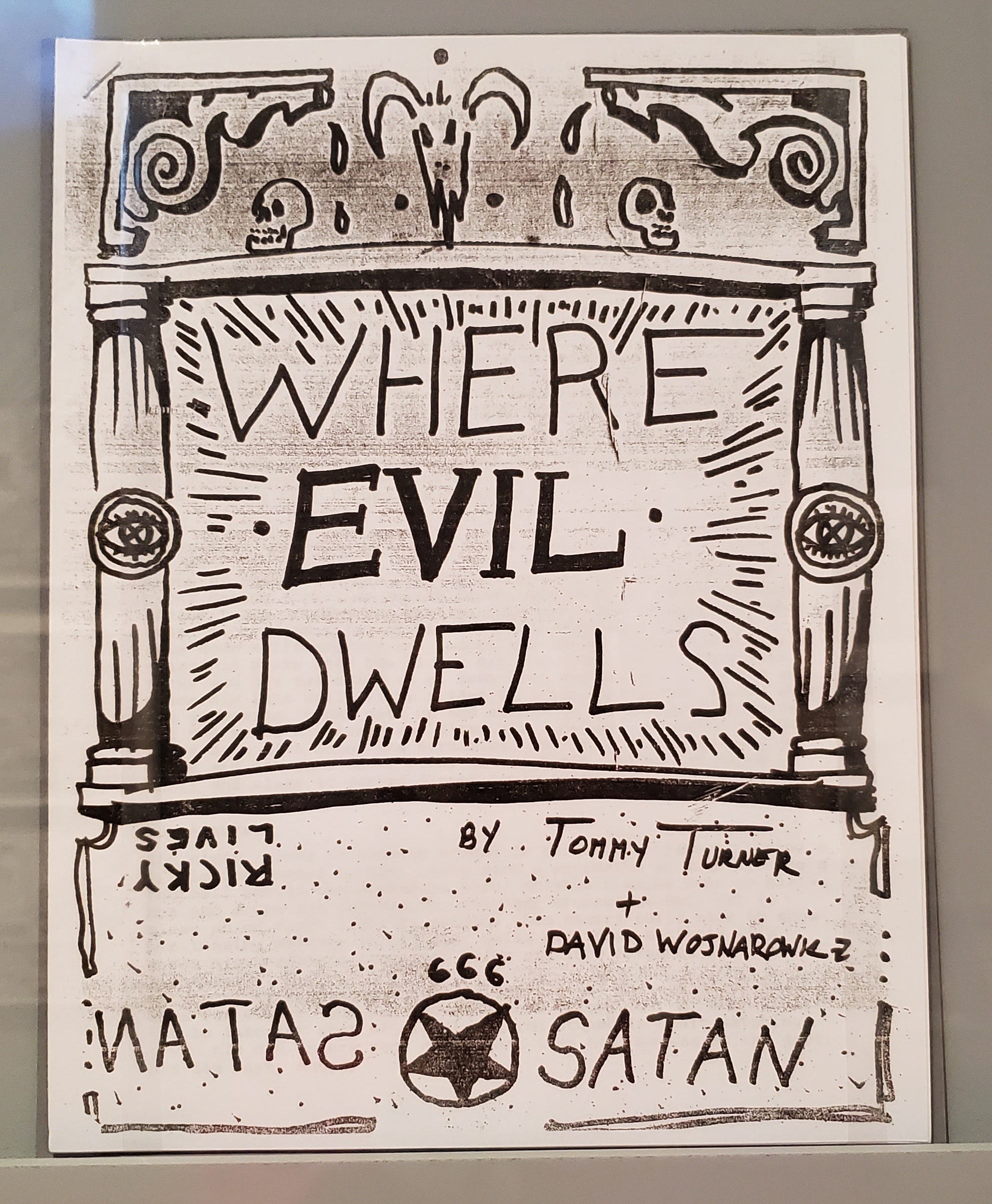
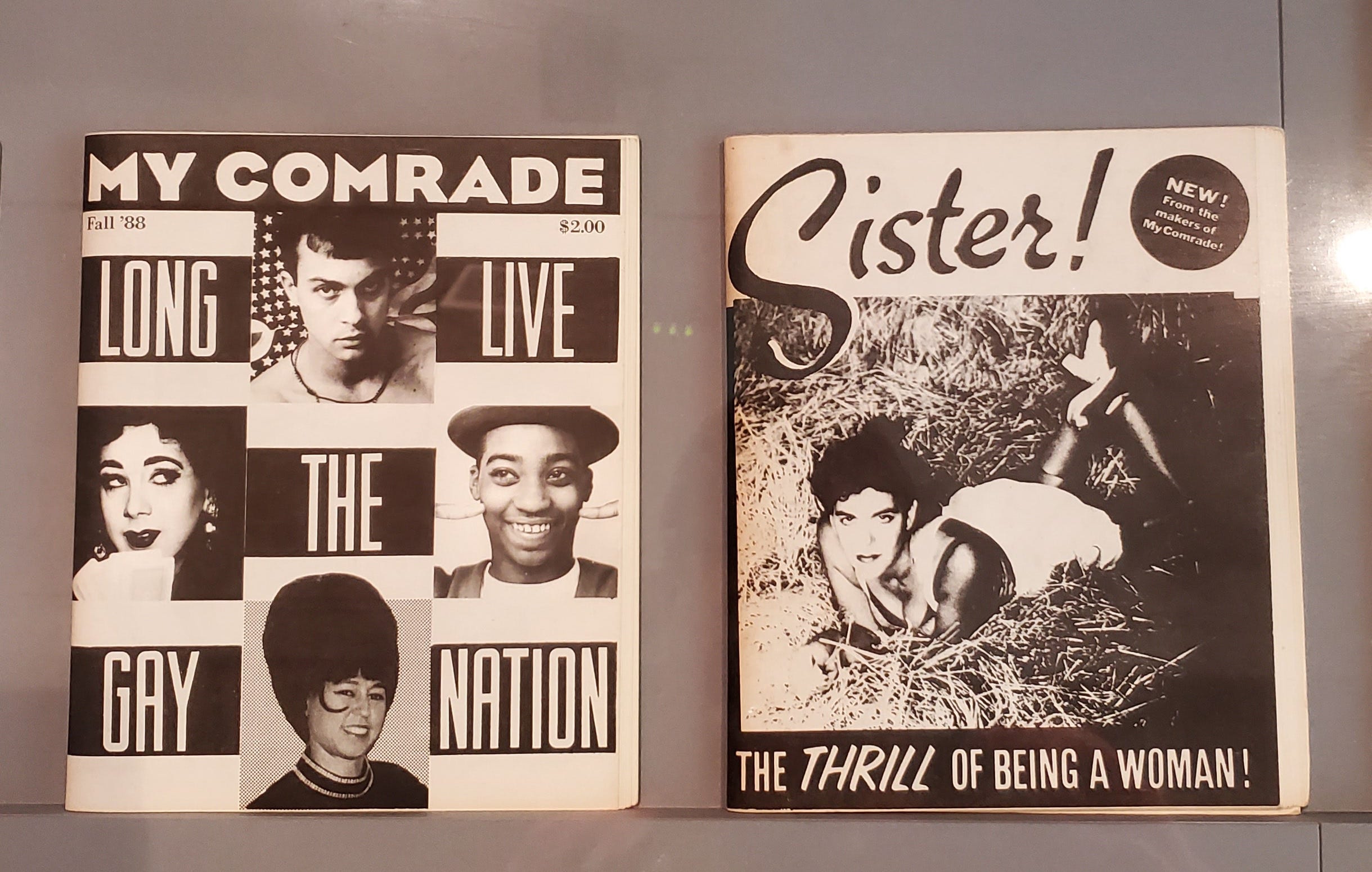
If you’re still wondering what the big deal is about zines at this point, I wish I could send you back in time to this winter’s Copy Machine Manifestos: Artists Who Make Zines exhibition at the Brooklyn Museum. While, like with the collection of ephemera at my local university, it was a bit surreal to see everyday items and familiarly dirty DIY aesthetics under museum glass, I was still blown away by the arrangement of this collection, which traveled through time from the earliest correspondence-based zines and queercore publishing through to the 70’s punk scene, the 90’s wave of confrontational queer and feminist zines, samples from the scenes in Mexico and Latin America, around the world, and up to the present moment.
In the algorithmic social media era, it feels like the infrastructure is built to make users feel we are “discovering” ideas for the first time. The hyper-visibility of each one of us, our self-expressions, opinions, aesthetics, and subcultures, also allows for a level of interaction with the like-minded and the haters alike. In the current wave of gender panic, everyone from far-right reactionaries to the thoughtful, measured voices (lol) of the New York Times op-ed page frets about the existence of trans and queer people and whether there are….too many? It’s easy for these people, bizarrely obsessed with the bodies of strangers, to pretend that being queer is a new trend, spread by the evil Chinese propaganda algorithm, but they’re wrong. The receipts are right there, in issues of Gendertrash and other zines far older than I am.
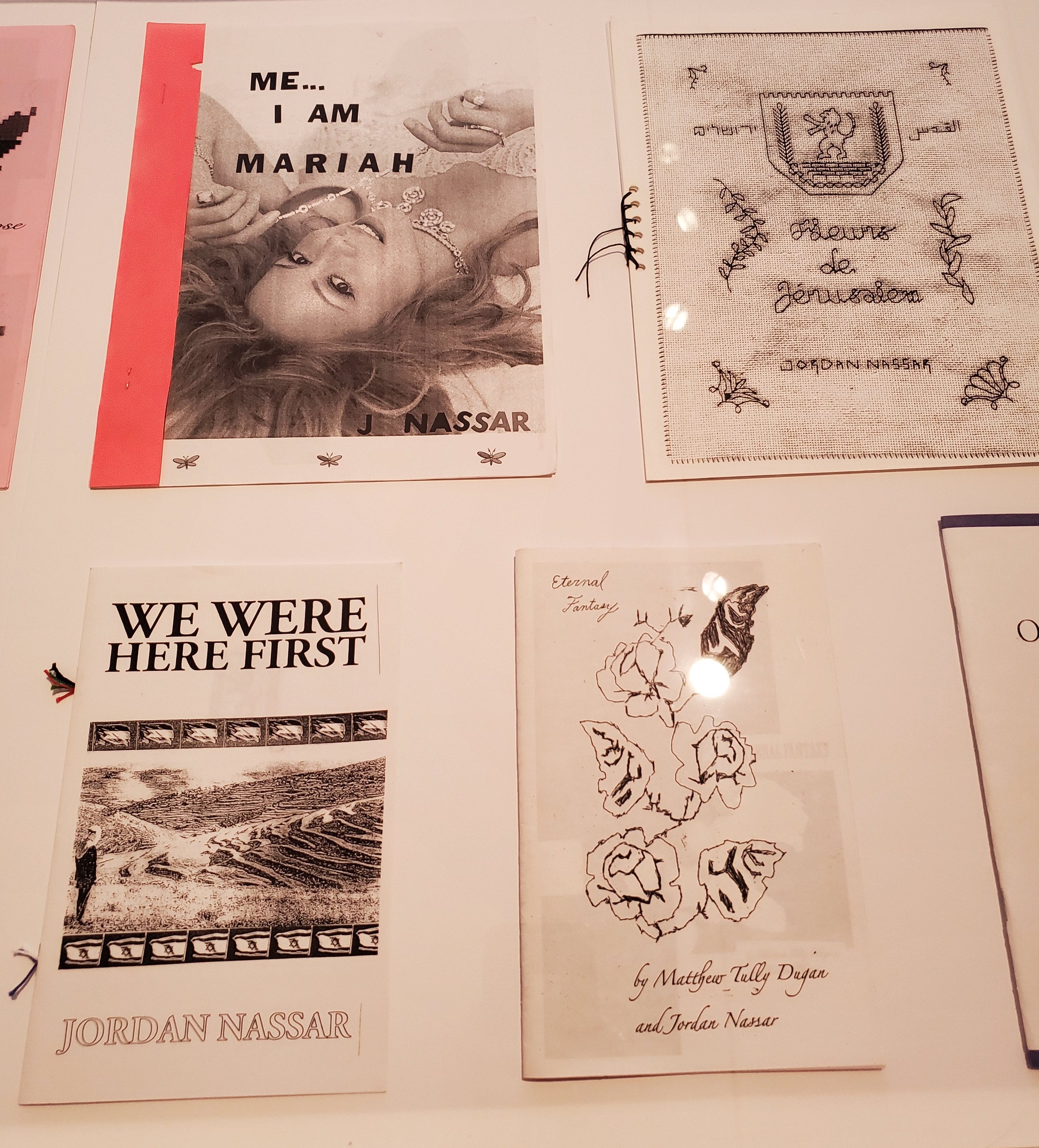
The same panicked elite feel their grip on society slipping away as they view the specter of Palestine solidarity protests, acting as though TikTok alone brainwashed the majority of a generation into empathy with a people under brutal occupation. Not only does this ignore the long legacy of a global (including American and Jewish) solidarity movement with Palestine that dates back to the creation of the state of Israel, but also generations of impactful artistic voices from the Palestinian diaspora. Seeing a full case of Palestinian-American artist Jordan Nassar’s zines and mixtapes were one small reminder of the role of analog objects in the complete telling of history. Right now, many zines on Palestine are free to download and print (one collection here), and I hope to have some at my Zine Fest table to share.
Zines aren’t everything, but they are fun, empowering, and inherently tied to the creative autonomy of silenced people. With the social media landscape eroding around us, )even as it helps amplify the truth of a genocide and ignite a new generation’s student movements) it might be a great time to break out the scissors, glue, and stapler and see what you can make.
Words on a zine will exist much longer than anything inscribed into a cloud, mark my words. Zines will outlast this version of the internet.
I appreciate how your perspective on them has grown but remains fully positive.